Resident Evil
Quick Answer
In casino gameplay, Resident Evil usually refers to a branded slot or pachislot theme (a game skin and feature set), not a strategy or “system.” The RTP, volatility, and house edge effects depend on the specific Resident Evil titled game and where it is offered, so you should treat it like any other themed slot and verify the rules and RTP shown in the game’s info screen.
Key Takeaways
-
A branded theme changes presentation and features, it does not change the underlying math in your favor.
-
RTP is a long-run average, not a prediction for a session.
-
Volatility can be high in feature-heavy slots, but it varies by exact title and configuration.
-
In South Korea, real-money casino access and game availability can be limited and venue-specific, including foreigner-only zones and rule sets.
-
For branded pachinko style content, official manufacturer listings can confirm that a franchise exists in gambling-adjacent formats.
Definition
“Resident Evil” in this context is a theme label applied to a gambling-style game (most commonly slots, or Japan-style pachislot and pachinko products), where the name indicates branding and audiovisual style rather than a universal ruleset.
What It Means / How It Works
A Resident Evil themed slot typically behaves like other modern slots:
-
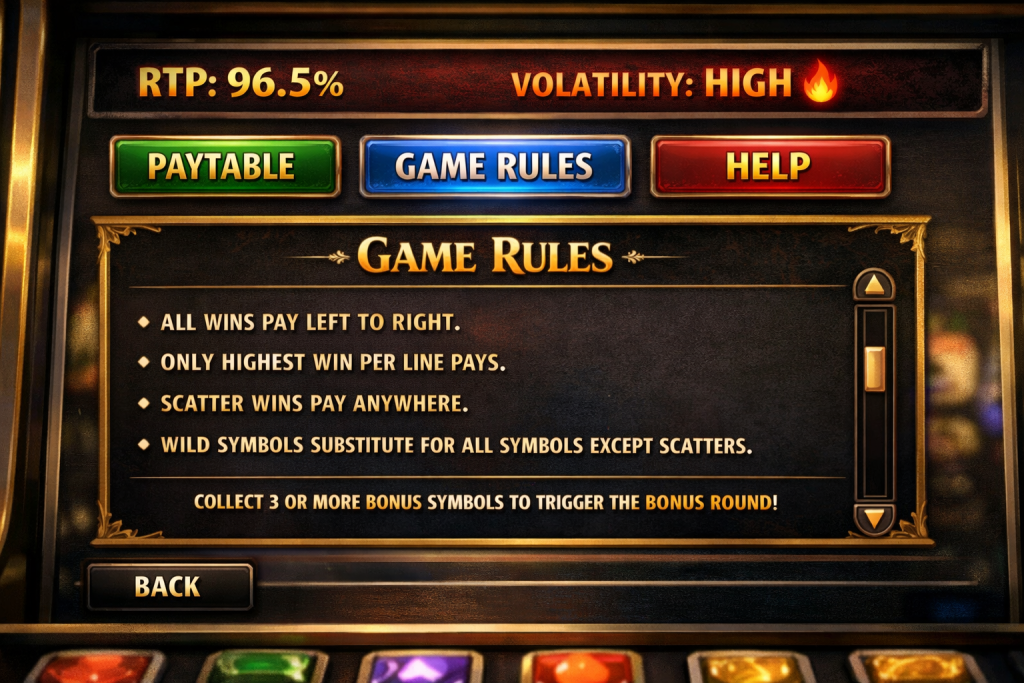
RNG-based outcomes: each spin is determined by a random number generator, with symbols and features mapped to probabilities.
-
RTP disclosure: many regulated environments require or encourage clear RTP communication, and RTP is measured over a very large number of plays.
-
Volatility profile: two games can share a theme style but differ in hit frequency and payout distribution. A high volatility design can feel “quiet” for long stretches, then pay in spikes.
-
Configuration differences: the same titled game can have different RTP settings depending on jurisdiction, operator, or approved configuration, so the only reliable source is the in-game info screen or official disclosure.
South Korea context (high level): availability of a specific branded slot theme can differ by venue and by whether play is in a foreigner-only area or other restricted environment. Recent reporting describes updates to foreigner-only gaming floor operational rules at Kangwon Land, which shows how game mix and parameters can change over time.
Why It Matters
It matters because branded themes often create two common misconceptions:
-
Brand familiarity bias: knowing the franchise can make a game feel more predictable than it is. Slots remain chance-based, and branding does not reduce house edge.
-
Feature confusion: cinematic bonus rounds can look like skill segments, but payouts still follow the game’s preset rules and math model.
Light Support Block
Quick reference table: What to verify before playing a branded slot theme
| Item to check | What it tells you | Where to find it |
|---|---|---|
| RTP percentage | Long-run average return, not a session guarantee | Game info, help, rules screen |
| Volatility or risk label | How uneven payouts can be over time | Game info, paytable notes |
| Bet range and denomination | Session cost control and pace | Bet controls on main UI |
| Bonus rules | Trigger conditions, caps, feature mechanics | Paytable and feature rules |
| Jurisdictional differences | Same title can differ by approved settings | On-screen disclosure, venue rules |
Common Mistakes / Misconceptions
-
Confusing RTP with “what I should get back tonight.” RTP is an average across many plays, short sessions can deviate widely.
-
Assuming theme equals identical math across versions. Branded names can be reused across different machines, providers, or configurations.
-
Gambler’s fallacy: thinking a bonus is “due” after losses. Past outcomes do not improve future odds.
-
Treating cinematic features as skill. Unless the rules explicitly state skill-based outcomes, feature results are still governed by the game’s math and RNG.
-
Overreading near-misses. Near-miss effects can occur by design and are not evidence of improving odds.
Examples (only if directly clarifying)
-
If a slot shows 96% RTP, that does not mean you will receive 96% back in a single sitting. It means that across a very large number of plays, total returns trend toward that average, with variability along the way.
-
Two horror themed slots can both advertise similar RTP but differ in volatility, one pays small wins often, another pays rarely but in larger bursts.
Responsible Gambling Note
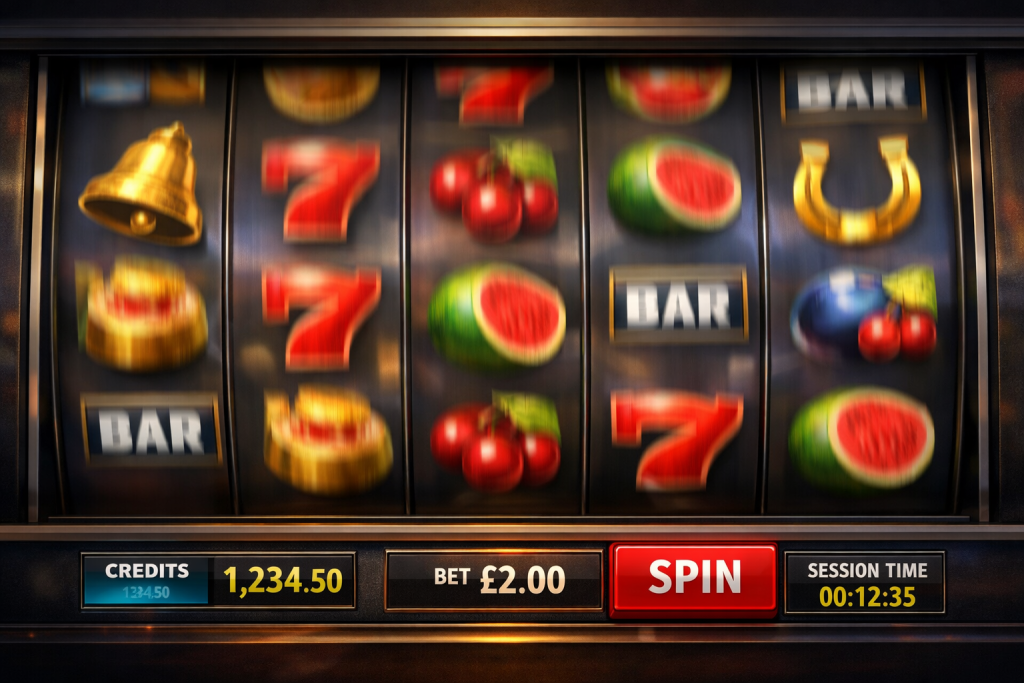
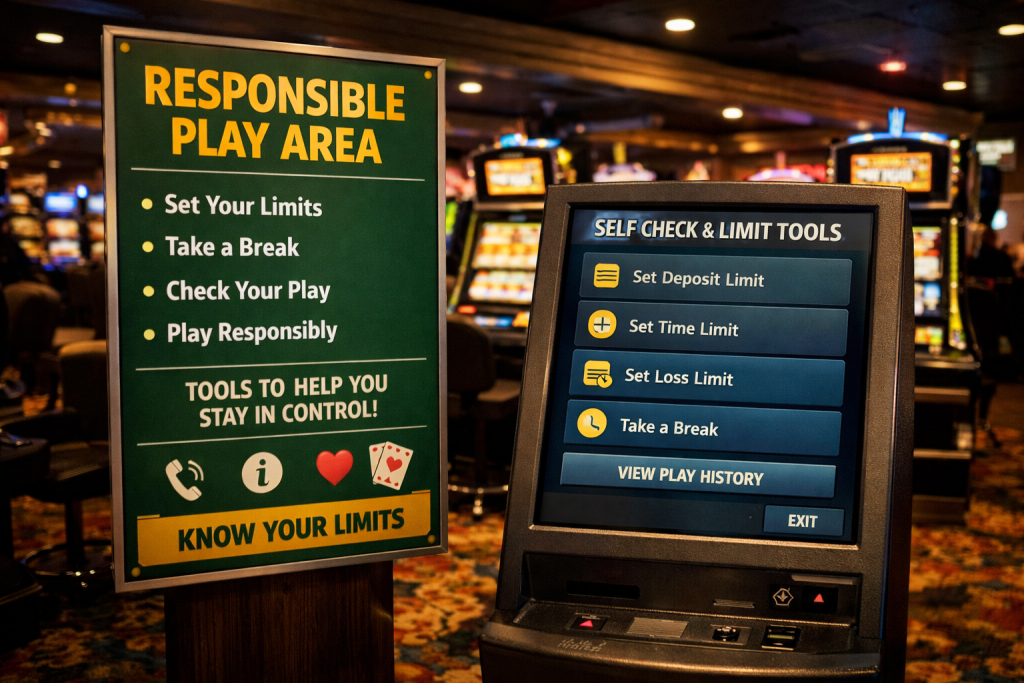
Branded themes can encourage longer sessions because the presentation feels familiar. Set a time limit and a spend limit before play, and stop when you reach either limit. If a venue offers limit tools or self-check resources, use them as decision-support, not as a “fix” after losses.
FAQ
Is Resident Evil a “strategy” or a special system in casino games?
No. In casino play, it is typically a theme name for a slot or pachislot style product. Strategy does not change the RTP of an RNG slot.
Can the RTP for a Resident Evil titled slot change by location?
Yes. RTP and other parameters can vary by approved configuration, provider, and jurisdiction, so the dependable reference is the in-game disclosure or official rules shown where you are playing.
How does South Korea context affect what I might see?
Game availability can be venue-specific, and operational rules and game mix can change over time, including in foreigner-only areas at certain properties.




 English
  한국어
한국어  繁體中文
繁體中文