Quick Answer
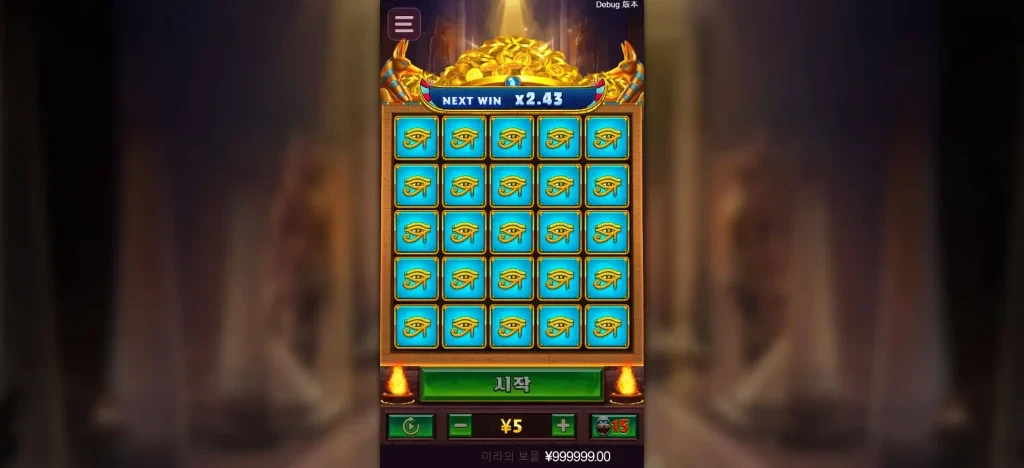
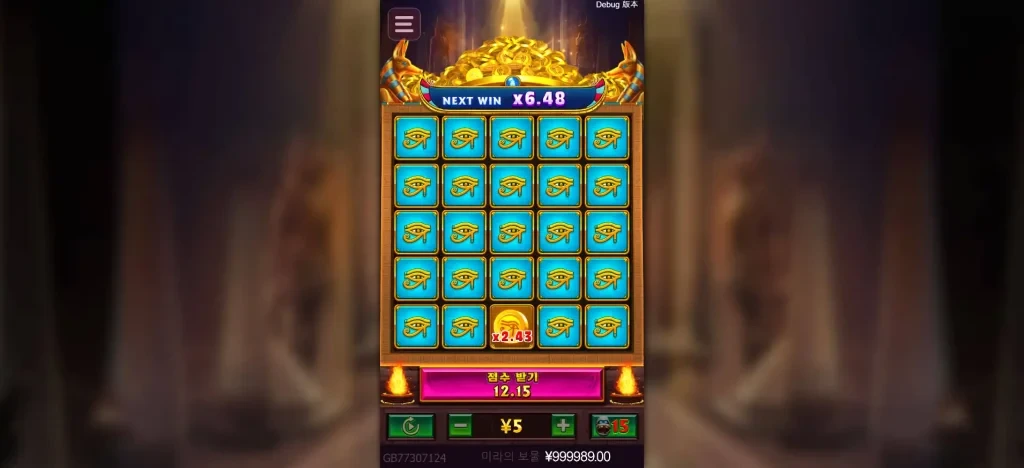
머미즈 트레저 is a CQ9 mine-style grid game where you reveal tiles one by one, watch the payout climb after each safe pick, and decide when to cash out before a “mummy” ends the round. The main gameplay feel is decision-led pacing, not spin-led waiting. Each click is a choice between locking in a smaller result now or taking on more risk for a higher multiplier.
Key Takeaways for 머미즈 트레저
- The tempo comes from your choices, because every reveal is a new decision point.
- Volatility can feel sharp, because one mistake ends the round immediately.
- The most important screen is the rules panel, it tells you how RTP is presented, how difficulty is set, and whether any caps apply.
- “I’m on a streak” thinking is a trap here, each pick is still a new risk moment.
- In a South Korea context, it is especially worth keeping play bounded, because fast, click-driven games can make time and spend drift.

What 머미즈 트레저 Means / How It Works
A round starts with a bet and usually a difficulty choice, often shown as the number of mummies hidden on the grid. More mummies typically means a shorter average round feel and a more aggressive swing pattern.
From there, the loop is simple and tense:
- Pick a tile.
- If it is safe, your current payout increases and the grid stays live.
- Decide whether to cash out now or pick again.
- If you hit a mummy, the round ends and you lose the round’s stake.
This is why the same game can feel calm for one person and stressful for another. If you naturally cash out early, the rhythm becomes lots of short, controlled rounds. If you keep pushing, the gameplay turns into a rising-pressure ladder where each extra pick feels heavier than the last.
When you want context on how CQ9 typically presents arcade and instant-style titles, CQ9 game provider overview helps you spot familiar UI patterns across their catalog.
What to Check in the Game Rules Screen (Practical, Non-Promissory)
Because mine-style games often look similar at a glance, the rules screen is where you confirm what actually matters for risk and expectations.
- RTP disclosure and wording
Look for how RTP is stated, and whether it is tied to a specific mode, difficulty level, or version. Some listings show different RTP numbers for the same title across environments, which is a reminder to trust the in-game disclosure first. - Difficulty settings and what they change
If the game lets you choose the number of mummies, that setting is the volatility dial. Fewer mummies usually feels like longer runs and more frequent cashout moments. More mummies usually feels like faster endings and stronger swings. - Cashout rules and edge cases
Confirm when cashout is available and whether anything can block it (for example, an animation state, a confirmation step, or a rule that cashout is only available after at least one safe pick). Even small UI constraints change how “snappy” the game feels mid-round. - Caps, maximum multipliers, or round limits
If there is a maximum win cap or multiplier cap, it changes what a long run can realistically mean. In mine-style games, caps also matter psychologically, because they set the ceiling on the “one more pick” temptation. - Version or provider identifiers
If you see a game ID, version number, or provider name in the rules panel, treat that as your anchor. If something feels inconsistent, CQ9 fairness and rules presentation is the right place to cross-check how CQ9 typically labels its content.
Quick Reference Table
| Check | What you are looking for | What it changes in play |
|---|---|---|
| RTP | Whether RTP is shown, and what it applies to | Sets long-run expectation, not session results |
| Difficulty | Mummy count or risk level options | Changes round length feel and swing intensity |
| Cashout | When it is available, any restrictions | Changes pacing, pressure, and decision timing |
| Caps | Max payout or max multiplier notes | Defines the ceiling and reduces false expectations |
| IDs and version | Provider name, game ID, version | Helps confirm you are seeing the intended build |
Common Mistakes / Misconceptions
- Confusing RTP with what should happen “today”
RTP is a long-run metric. Mine-style games often feel more extreme in short sessions because outcomes can cluster, especially when rounds are brief and decisive. - Treating streaks as meaningfully predictive
A few safe picks in a row can feel like you have momentum. That feeling is exactly what mine-style games amplify, but it does not make the next pick safer. - Assuming “playing longer” is automatically smarter
In this format, risk rises with every extra pick you choose. Sometimes stopping early is simply choosing a calmer pace, not “missing value.” - Thinking cashout equals control
Cashout gives you a decision point, but it does not remove variance. It can even increase confidence at the wrong moment, which is why pre-set limits matter.
Examples (only to clarify variance, non-promissory)
Imagine two players using the same bet size:
- Player A cashes out after the first safe pick most rounds. Their session can feel steady and repetitive, with many small outcomes and fewer emotional spikes.
- Player B keeps pushing for multiple picks. Their session can feel like alternating bursts of excitement and sudden resets, even if the long-run math is similar.
Neither approach “beats” the game. They simply create different volatility experiences, which is exactly why checking difficulty and any caps in the rules panel matters.
Responsible Gambling Note
Click-driven games can compress time. In a South Korea context where responsible gambling guidance exists at the national level, it is sensible to treat limits as part of gameplay hygiene, not as an afterthought. Consider setting a session time boundary, a spend boundary, and a stop rule for when you feel urgency or frustration.
If you want a quick refresher on RTP, volatility, and how to set session limits in a practical way, [[HUB LINK: Casino Playing Basics]] covers the concepts without turning them into “systems.”
For CQ9-specific context on how their games typically disclose rules and structure risk, CQ9 game provider overview is a useful reference point before you rely on third-party summaries.
FAQ
Is 머미즈 트레저 a slot?
It plays closer to a mine or arcade-style instant game. Instead of spins, the core action is picking tiles, watching the payout grow, and choosing when to cash out.
Where should I verify RTP for this game?
Start with the game’s own rules screen, because RTP can vary by build, mode, or operator configuration. If you see different RTP numbers across listings, that is a cue to prioritize the in-game disclosure.
What makes this game feel more or less risky?
Risk is usually driven by difficulty settings (often mummy count) and your cashout behavior. If you want to compare how CQ9 tends to structure risk and disclose features across titles, CQ9 fairness and rules presentation helps you read those signals consistently.
Resources
- CQ9 Gaming, “CQ9 | CQ9 Gaming” (official provider site)
- CQ9 Gaming, “About Us”
- SlotCatalog, “Mummys Treasure (CQ9Gaming), Game Review”
- The National Gambling Control Commission (Korea), “National Master Plan for Responsible Gambling”
- Korea Problem Gambling Agency, “Main” (support and helpline information)