Quick Answer
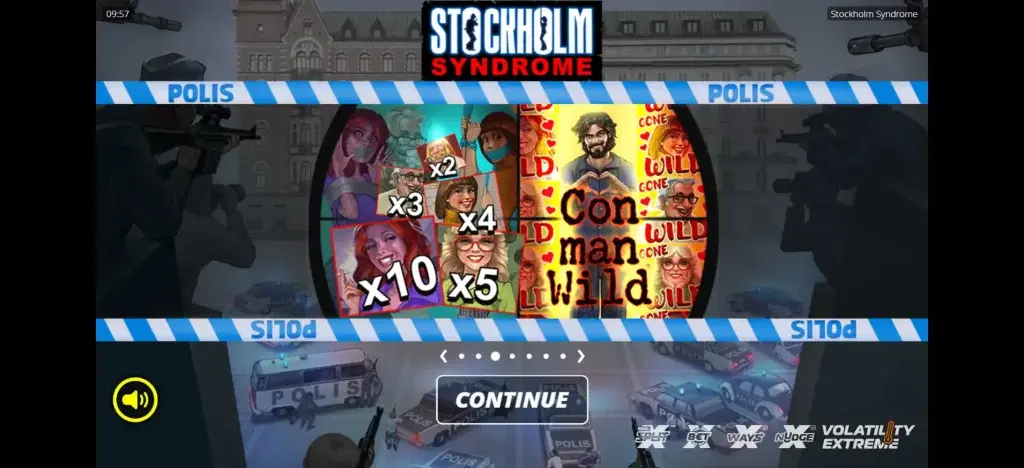
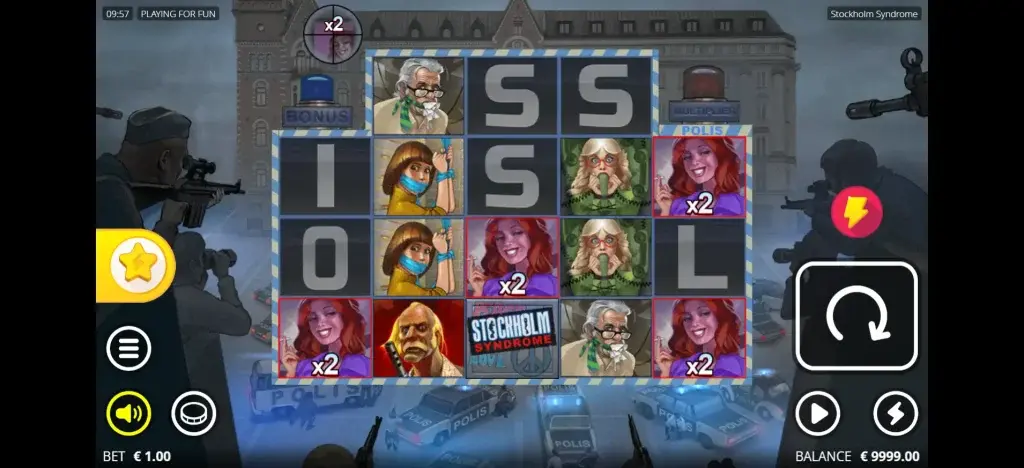
스톡홀롬 신드롬 is a NoLimit City slot built around a compact base-game rhythm and a high-swing bonus identity. The official game listing describes a 3-4-3-4-3 reel layout with 432 ways, plus a high-volatility profile, so the session tends to feel quiet until a feature sequence changes the pace and the size of outcomes.
Key Takeaways of 스톡홀롬 신드롬
- The base game can feel fast and “thin,” then features can stretch a single round into a longer sequence when they land.
- NoLimit City’s published configuration for this title is 3-4-3-4-3 reels and 432 ways, which affects how wins present on-screen compared with fixed paylines.
- RTP is a long-run average concept, not a session promise, and it can be shown differently depending on the game and where it is offered.
- For South Korea readers, the safest habit is checking the in-game rules and info screens first, then setting a session limit that matches high volatility.
What 스톡홀롬 신드롬 Means / How It Works
In practical play terms, this is a “wait for the turn” slot. Most spins resolve quickly, then a feature changes the texture of the round. That shift is what players usually notice first, the game stops feeling like single, isolated spins and starts feeling like a connected sequence with more moving parts.
Because NoLimit City often uses named mechanics and clearly labeled feature modules, understanding the labels can make the on-screen flow easier to read. NoLimit City game style and feature labels helps you map what you see during spins to what the rules screen is actually describing.
On PC and PC Online, the extra UI counters and feature text are usually easier to track. On Mobile, the same mechanics can feel “faster” simply because you may miss small counters or side text, so it is worth locating where the game displays feature states before you settle into a long session.
What to Check in the Game Rules Screen of 스톡홀롬 신드롬 (Practical, Non-Promissory)
The goal is not prediction, it is calibration. You are checking what the game is designed to do over time, and what that design will feel like moment to moment.
- RTP disclosure and whether it is fixed or selectable
- The Gambling Commission explains RTP as an average over a significant number of plays, not something that applies to each session.
- Some games are offered with different RTP settings depending on where they are deployed, so the most reliable number is the one shown inside the specific game instance you are using.
- Volatility or equivalent wording
- NoLimit City’s own listing describes this title as high volatility, which usually translates to bigger swings and longer quiet patches in normal play.
- Reel layout and ways-to-win structure
- The official configuration for Stockholm Syndrome is 3-4-3-4-3 reels and 432 ways. That changes how wins appear, especially when the screen is busy during feature moments.
- Feature names and trigger conditions
- Look for the exact labels the game uses, then match them to what you see during spins. This reduces confusion when the pace changes mid-round.
- Max win or cap language
- The NoLimit City listing includes a stated maximum payout figure and a stated minimum and maximum bet range. Treat the max figure as a design ceiling, not an expectation.
- Bonus Buy availability (if present)
- The listing indicates a feature buy-in is available. If you see it in-game, read what it does to the feature entry, then decide based on limits, not momentum.
If you want a broader way to read NoLimit City info screens across different titles, how to read NoLimit City rules screens gives a consistent checklist you can reuse.
Mini-checklist (session feel focused)
- If the rules screen labels the slot as high volatility, assume the session can feel uneven, with longer stretches where outcomes look small relative to total stake.
- Confirm the RTP shown in the exact game build you are using, then treat it as a long-run design average, not a short-run target.
- Decide your stop point before you start, either a time limit, a spend limit, or both, then stick to it even if the game “feels close.”
Common Mistakes / Misconceptions
- “RTP means I should get it back soon.”
- RTP is about long-run averaging, not near-term fairness in a single sitting. A short session can land far above or below the published percentage.
- “High volatility means the bonus is rare, so it must be due.”
- Slots do not become “due.” A cold stretch does not improve the next spin, and chasing a feature because it feels late is a common risk spiral.
- “A feature label is just marketing text.”
- In many NoLimit City slots, feature labels are functional. They tell you what is changing about the round, which affects pacing, screen complexity, and swing size. NoLimit City feature glossary and what it changes in play
- “I can manage variance by switching stake at the right time.”
- Stake changes alter exposure, not randomness. Variance can still cluster, and changing stake based on feelings can unintentionally increase risk.
Examples (only to clarify, not to promise)
- RTP example
- If a game is designed around a certain RTP, that value is an average over many plays. The Gambling Commission frames RTP as an average achieved over a significant number of game plays, not each time it is played.
- Volatility example
- A high-volatility slot can show a lot of “nothing much happened” spins, then deliver a rare, larger event. That is a distribution pattern, not a countdown.
Responsible Gambling Note
High-volatility slots can feel emotionally sharp because the session can swing from quiet to intense quickly. If you are playing, set a time limit and a spend limit first, and stop when either limit is reached. For support in South Korea, the Korea Problem Gambling Agency provides information and counselling, including a national helpline.
FAQ
Is the RTP for 스톡홀롬 신드롬 always the same?
NoLimit City’s official game page publishes an RTP figure for the title, but RTP can vary by version or deployment. The safest approach is to confirm the RTP shown in the rules or info screen of the exact game instance you are using.
Does “high volatility” tell me how often features will trigger?
Not precisely. It mainly signals how outcomes tend to be distributed, meaning wider swings and less predictable session feel. Use it to set expectations and limits, not to estimate timing.
Why does the game feel different on Mobile versus PC?
The underlying mechanics are the same, but the readability changes. On smaller screens, counters, feature text, and state indicators can be easier to miss, so the round may feel faster and more confusing during feature-heavy moments. Checking the rules screen first and learning the labels reduces that friction.
Resources
- NoLimit City, “Stockholm Syndrome”
- Gambling Commission, “Return to player: how much gaming machines payout”
- Gambling Commission, “Gaming machine payouts: return-to-player”
- Gambling Commission, “Remote gambling and software technical standards (RTS)”
- Korea Problem Gambling Agency (KCGP), “Overview”