888 재신 (CQ9) Gameplay Guide
Quick Answer
888 재신 is typically seen as a CQ9 slot themed around wealth and fortune, with a straightforward “spin, evaluate, repeat” rhythm where the session feel depends heavily on the math model (RTP and volatility) shown in your specific build’s info screen. CQ9 lists a closely named title, “888 Cai Shen,” in its public demo game menu, which is often localized in East Asian lobbies.
Key Takeaways
-
Slot sessions are felt through pace and swings, not through “patterns.” Each spin is still a fresh event in RNG-driven games.
-
RTP is a long-run average, not a promise for a short session. Treat it like a transparency label, not a prediction.
-
Volatility is the “shape” of the ride (how clustered wins are), and it changes what a normal session feels like even if RTP is similar.
-
Your most useful skill is reading the rules screen so you know what features exist, what triggers them, and whether any caps or special conditions apply.
-
If you are playing at all, time and money limits are practical safety tools, especially in fast-spin games.
What It Means / How It Works
In moment-to-moment play, 888 재신 is usually experienced as a steady loop:
-
You set a stake, tap spin, and watch for line hits, wild help, or any feature trigger your build includes.
-
The pace tends to feel quick and repeatable, which makes it easy to drift into “one more spin” thinking when outcomes cluster.
-
The real texture comes from the math: in a lower-volatility build, results tend to feel more “chatty” (more frequent small outcomes), while in a higher-volatility build, long quiet stretches can be normal, then a single feature or hit can dominate the session.
This is where a CQ9 provider overview is useful context, because CQ9’s catalog spans multiple game types and presentation styles, and the in-game help layout is often where the important details live.
If your lobby shows multiple “888” style titles, treat the exact title screen as the source of truth. CQ9’s demo menu includes “888 Cai Shen,” which is a close match to how 888 재신 is often named in localized listings.
What to Check in the Game Rules Screen (Practical, Non-Promissory)
The rules screen is where you turn “theme” into verifiable gameplay expectations.
Check these items, in this order:
-
Game identity and version
-
Confirm the exact name, provider, and any version text. Localized names can differ, and the only reliable label is the one inside the game client.
-
-
RTP wording
-
Look for a percentage and also the wording around it. RTP is an average over many plays, not what you should expect to “get back” in a short session.
-
If RTP is presented as a range or multiple settings, note that different jurisdictions and operators can use different configurations.
-
-
Volatility and feature frequency hints
-
Some games explicitly state volatility. If it is not stated, you can still infer session feel by reading how the biggest outcomes are structured (for example, whether the largest outcomes require rare feature chains).
-
Be careful not to turn this into a “system.” A volatility label helps you set expectations, it does not let you time wins.
-
-
Paylines or ways-to-win
-
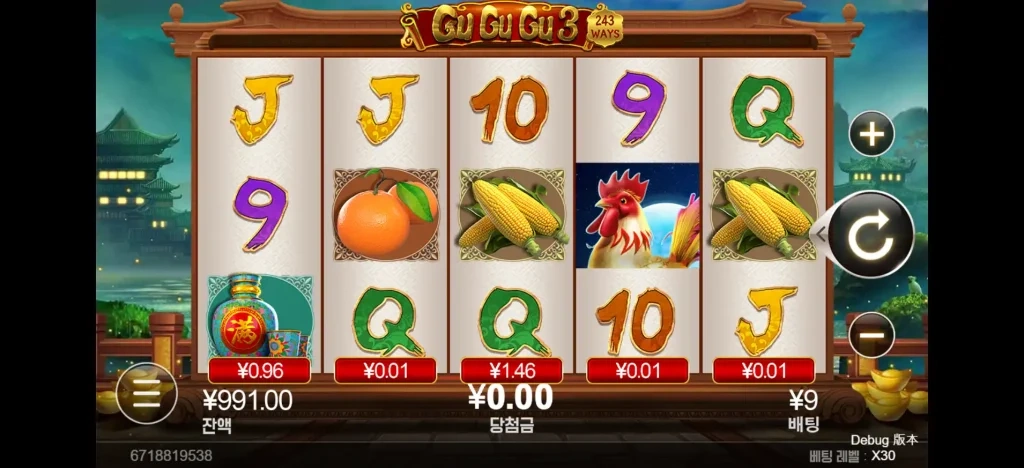
Find whether outcomes are evaluated on fixed paylines or a “ways” system. This changes what a typical spin looks like, because ways engines can produce many small combinations, while fixed-line games can feel more “all or nothing.”
-
-
Feature trigger conditions
-
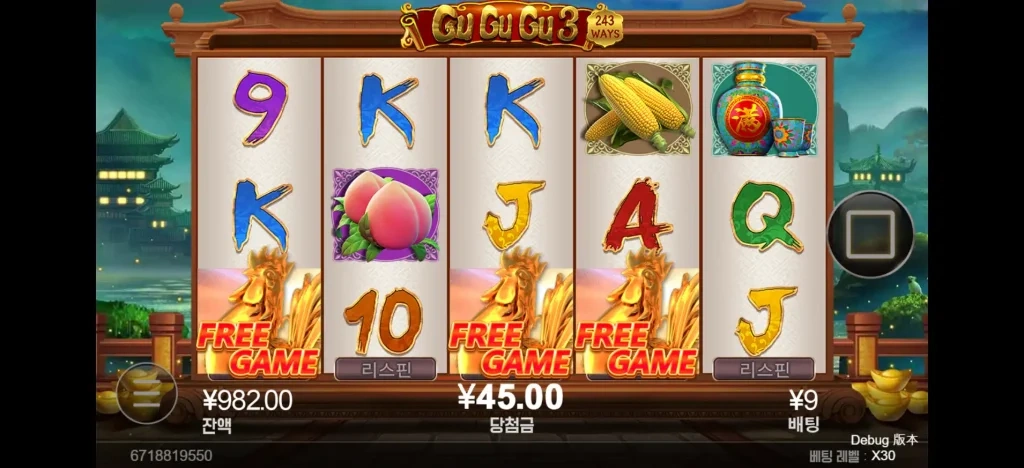
Identify exactly what starts any bonus and what counts (for example, “scatter anywhere,” “must be on reels 1, 3, 5,” or “only in the base game”).
-
This matters because it tells you whether the session is mostly base-game grinding or whether features can interrupt the flow often.
-
-
Caps, limits, and special rules
-
Look for maximum win caps, feature caps, or “different rules during free spins.” These are not just legal notes, they change the ceiling of what the game can do and how often it can do it.
-
If you want a consistent way to read CQ9 help screens across titles, the CQ9 game rules and feature labels is a better reference point than relying on lobby blurbs.
Quick Reference Table
| What you check | What it changes in play | What to write down |
|---|---|---|
| RTP text | Sets long-run expectation, not session results | Exact % and any “may vary” note |
| Volatility label (if shown) | Predicts the shape of swings | Low, medium, high, or “not shown” |
| Lines or ways | Changes hit pattern and how “busy” spins feel | Paylines count, or max ways |
| Bonus trigger | Changes how often the base game gets interrupted | Trigger rule in one sentence |
| Caps and exceptions | Changes ceiling and feature behavior | Any max win cap, feature caps |
Common Mistakes / Misconceptions
-
“RTP means I should get that back tonight.”
RTP is measured over a large number of plays. Short sessions can land far above or far below that average. -
“If it has not paid for a while, it is due.”
For RNG-driven games, previous outcomes do not “load” the next spin with better odds. -
“Volatility tells me when to stop or start.”
Volatility is not a timing tool. It is a description of how results cluster, which affects whether a session feels smooth or streaky. -
“Localization changes the math.”
The theme and language can change, but the meaningful differences come from the build, configuration, and disclosed settings. A [[HUB LINK: Casino Playing Basics]] can help you separate cosmetic differences from the mechanics that matter.
Examples (Only to Clarify, Not Predict)
-
If two builds have similar RTP but different volatility, the higher-volatility build can feel like “nothing happens” for long stretches, then one feature swing dominates the session.
-
In a lower-volatility build, you may see more frequent small line hits, which can make the session feel more interactive, even if the long-run average is similar.
Responsible Gambling Note
Slots move quickly, and quick decisions can turn into long sessions without noticing. Setting a time limit and a spending limit before you start is a practical harm-reduction habit, especially when play feels streaky or emotionally “sticky.”
If you notice you are chasing losses or using play to escape stress, pause and seek support.
FAQ
Is 888 재신 the same as “888 Cai Shen”?
Many lobbies localize titles differently, and CQ9’s demo list includes “888 Cai Shen,” which is a close match to how a wealth-god theme is named in Korean listings. Treat the in-game title screen and rules panel as the final confirmation.
Does 888 재신 have a fixed RTP?
Not always. RTP can be presented as a fixed percentage, a selectable setting, or it may vary by build or operator configuration. Also, RTP is a long-run average, not a short-session promise.
How do I know the game is fair if outcomes feel streaky?
Streaks can happen naturally in random systems. In regulated environments, operators may be required to submit game and RNG test reports from approved test houses, which is one of the ways fairness is verified. The best player-side check is still the rules screen (RTP text, version, and feature rules), plus reputable licensing standards where applicable. A CQ9 slot portfolio context can also help you interpret how CQ9 typically presents help screens and feature labels across its catalog.
Resources
-
CQ9 Gaming, About CQ9 (Brand Declaration / About Us)
-
CQ9 Gaming demo site, Games (English) list including “888 Cai Shen”
-
UK Gambling Commission, Return to player: how much gaming machines payout
-
UK Gambling Commission, Games test reports (remote gambling and gambling software)
-
GambleAware, Advice to consider if you’re gambling